


Load Brakes in Cranes
The load brake in a crane is an important safety device designed to hold the load and prevent uncontrolled lowering, especially when the crane is not in operation or in the event of a power outage. There are various types of load brakes, but their basic operation is similar.
Here is a general description of how a load brake in a crane can function:
Braking System: The load brake can be a mechanical, electromechanical, or hydraulic braking system. Electromechanical and hydraulic brakes are more common in modern cranes because they offer more precise control.
Control: The load brake is typically monitored and controlled by a control system that uses sensors to detect the load weight, speed, and other relevant parameters.
Activation: The load brake is activated when the crane is not in operation or in the event of an unexpected emergency, such as a power outage. Activation can be automatic or manual.
Holding the load: Once the load brake is activated, braking force is applied to hold the load and prevent uncontrolled lowering. The braking force is typically set to match the weight of the load to ensure secure holding.
Monitoring: The control system continuously monitors the load brake's status to ensure it is functioning correctly. Maintenance is performed as needed to maintain the load brake's proper operation.
Releasing: When the crane is ready for operation again, the load brake is released to allow the load to move. This is usually done via control signals from the operator or the crane's control system.
The exact operation of the load brake can vary depending on the crane type and manufacturer, but the fundamental objective remains the same: to hold the load securely and prevent uncontrolled lowering.

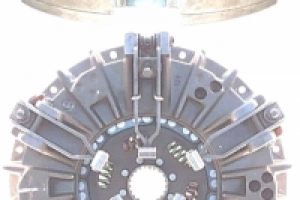


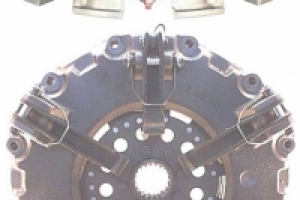



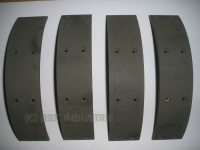



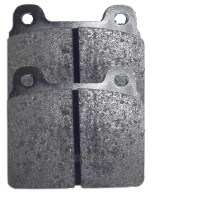

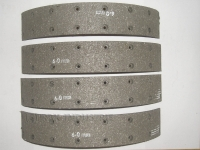

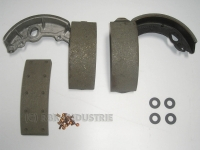
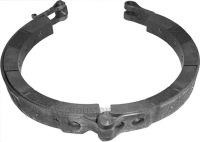
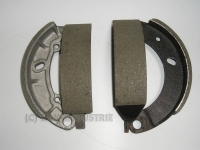
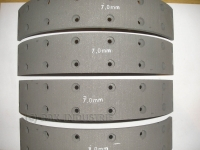

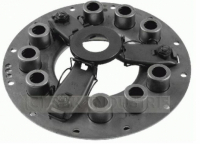
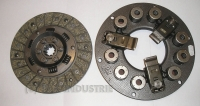

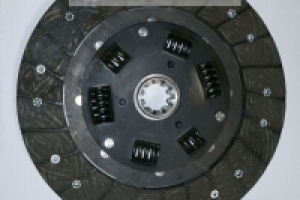
 Our manufacturing plant for industrial brake pads is certified according to DIN EN ISO 9001:2015.